High-throughput PV module testing - fully automated reuse line
The first testing line that combines handling, all relevant test procedures, as well as evaluation and documentation in one integrated process — for new and used PV modules.
Fast. Repeatable. Fully documented.
Hover your cursor over the upcycling facility to learn more about each process step.
Each station can be explored by click or mouseover – further below, you’ll find additional details about the respective testing and processing steps.
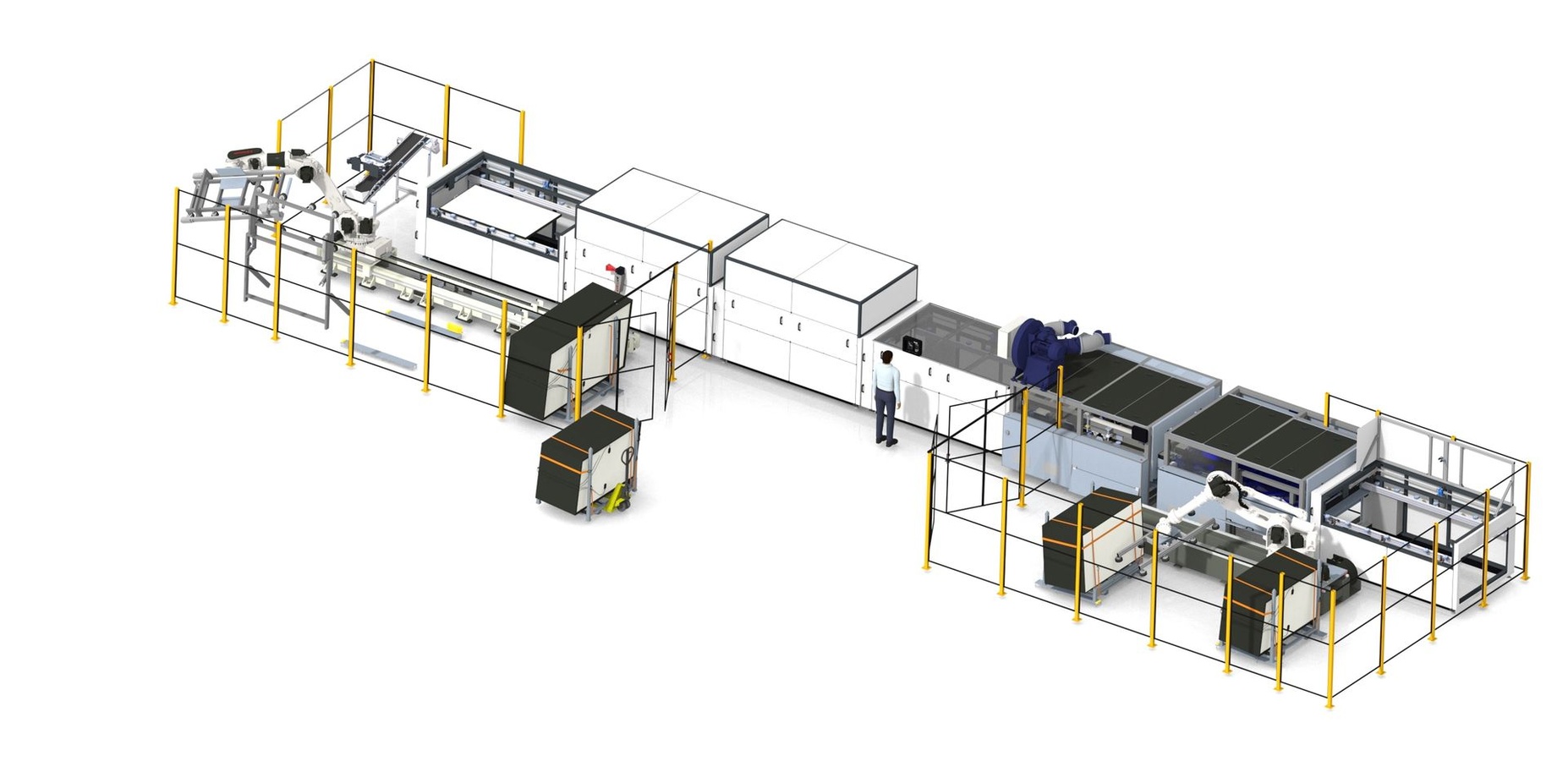
Die erste vollautomatische Reuse-Linie weltweit. Vom als Abfall deklarierten PV-Modul zum Produkt – geprüft und dokumentiert. The world’s first fully automated PV reuse line. Turning modules declared as waste into a qualified product—tested and documented.
Diese Übersicht zeigt, wie 2nd Cycle PV-Module vollautomatisch identifiziert, reinigt, elektrisch & optisch prüft und die Ergebnisse KI-gestützt auswertet. This overview shows how 2nd Cycle automatically identifies, cleans, electrically & visually tests PV modules and evaluates results using AI.
Der Output ist nicht nur „funktioniert / funktioniert nicht“, sondern ein belastbares Prüfprotokoll inkl. Leistungsabschätzung und Restlebensdauer-Indikatoren – als Entscheidungsbasis für den zweiten Lebenszyklus. The output is not just “pass/fail”, but a robust test report including performance estimation and remaining-lifetime indicators—the basis for a second life decision.
- Prozess: Logistik (SolarBox) → Identifikation → Reinigung → PV-Modulprüfung → Reuse- oder Recycling-Entscheidung Process: Logistics (SolarBox) → Identification → Cleaning → PV module testing → Reuse or recycling decision
- Output: Modul als Produkt inkl. digitalem Prüfprotokoll oder nachgewiesen defektes Modul inkl. relevanter Infos für den Recyclingpfad Output: Module as a product incl. digital test report or proven defective module incl. key information for the recycling route
- Skalierung: hoher Durchsatz bei minimalem Personalaufwand (Zero-Touch-Ansatz) Scaling: high throughput with minimal labor (zero-touch approach)
Hover/Klick auf die Punkte, um Details zu jeder Station zu sehen. Hover/click the hotspots to see details per station.
Jedes Modul erhält eine eindeutige ID. Alle Messwerte, Bilder und Entscheidungen sind damit rückverfolgbar – wichtig für Reuse-Vermarktung, Audits und Reklamationsfälle.
Each module gets a unique identity. All measurements, images and decisions become traceable—important for resale, audits and warranty/claim cases.
Die Dunkelkennlinie liefert tiefe Einblicke in Serien-/Shunt-Verhalten und Degradationsmuster – ohne Lichteinfluss. Ideal, um versteckte Defekte und Alterung zu erkennen.
Dark IV reveals series/shunt behavior and degradation patterns without illumination—ideal for spotting hidden defects and aging signatures.
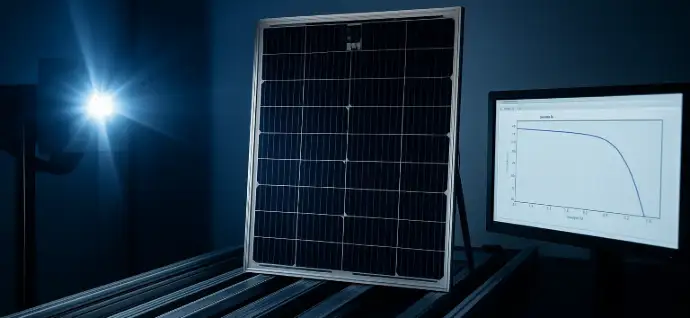
Ein kurzer Lichtblitz simuliert STC. Ergebnis: Leistung, Strom-/Spannungskennwerte und Vergleich zur Typenschildangabe – als Basis für Sorting & Pricing.
A short light pulse simulates STC. Output: power, current/voltage parameters and comparison vs. nameplate—basis for sorting & pricing.
Defekte Bypassdioden erhöhen Hot-Spot-Risiko und können Strings beeinträchtigen. Der Test schafft Klarheit über Funktion, Verhalten und mögliche Ausfallbilder.
Failed bypass diodes increase hotspot risk and can degrade string performance. This test verifies function and typical failure modes.
Kamera- und KI-basierte Inspektion für Glasbruch, Zellverfärbungen, Delamination, Rahmen-/Ecken-Schäden, Backsheet-Risse u. a. – standardisiert und dokumentiert.
Camera + AI inspection for glass breakage, discoloration, delamination, frame/corner damage, backsheet cracks, and more—standardized and documented.
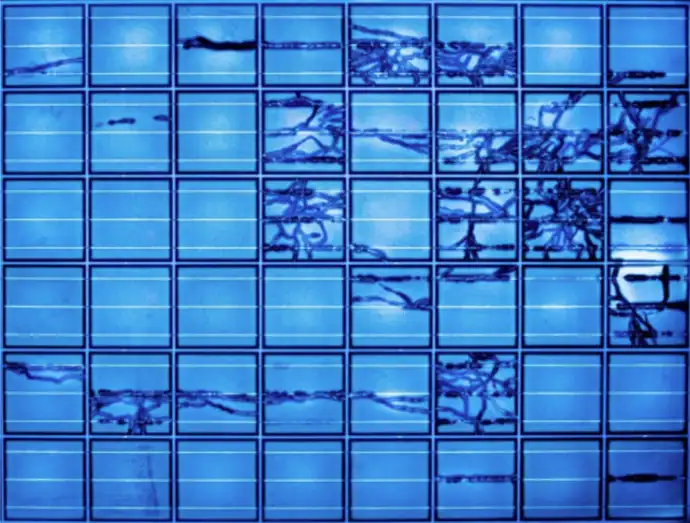
EL macht elektrische Inhomogenitäten sichtbar (Mikrorisse, Finger-Unterbrechungen, inaktive Bereiche). Ein zentraler Baustein für Zustandsbewertung und Restlebensdauer-Indikatoren.
EL visualizes electrical inhomogeneity (microcracks, finger interruptions, inactive areas). Key input for condition grading and remaining-lifetime indicators.
UV-Aufnahmen zeigen Alterung/Verfärbung und Hinweise auf Feuchte-/Delaminationspfade. Besonders hilfreich in Kombination mit EL und elektrischen Messungen.
UV imaging highlights aging/discoloration and potential moisture/delamination pathways—especially powerful combined with EL and electrical tests.
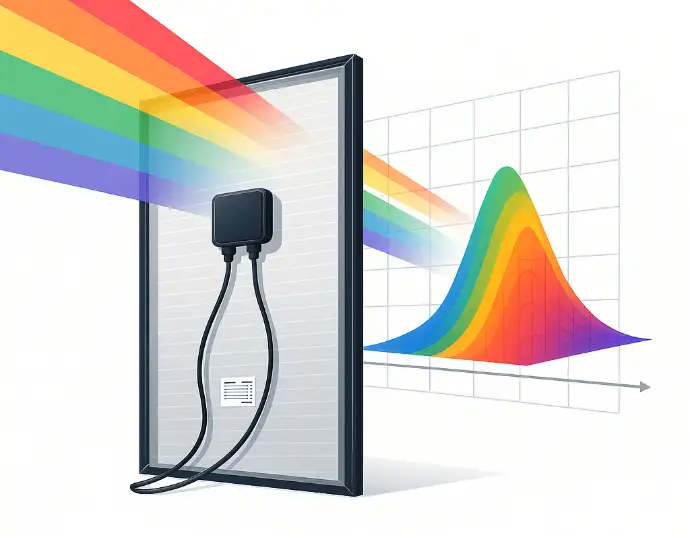
Spektrometrie unterstützt die BOM-Bewertung (Materialfamilien, Risikoklassen) – wichtig, weil „Alter“ allein wenig aussagt. Das verbessert Prognosen und Sorting-Logik.
Spectrometry supports BOM assessment (material families, risk classes)—important because “age” alone is not enough. Improves predictions and sorting logic.
Bürsten/Düsen und Prozesslogik entfernen Schmutz, Biofilm und Ablagerungen für zuverlässige Messungen. Ziel: stabile Qualität bei hohem Durchsatz – ohne manuelles Schrubben.
Brush/nozzle cleaning and process logic remove dirt, biofilm and deposits for reliable testing. Goal: stable quality at high throughput—without manual scrubbing.
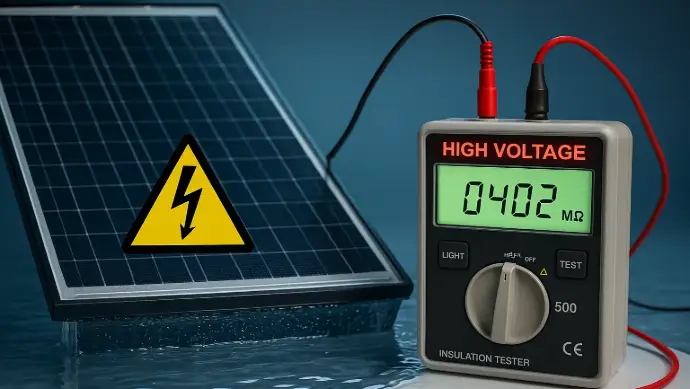
Hochspannungs-/Isolationsprüfung (auch in Kombination mit Feuchte/Wasser) stellt sicher, dass ein Modul elektrisch sicher ist – entscheidend für Reuse, Haftung und Risikominimierung.
High-voltage insulation testing (optionally with moisture/water) verifies electrical safety—critical for reuse, liability and risk reduction.
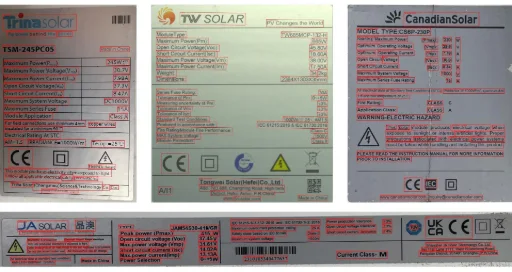
OCR/KI liest Typenschilder auch bei Verschmutzung oder Alterung. Daten dienen für Plausibilitätschecks, Dokumentation, Sortierung und Rückverfolgbarkeit.
OCR/AI reads nameplates even when aged or dirty. Data is used for plausibility checks, documentation, sorting and traceability.
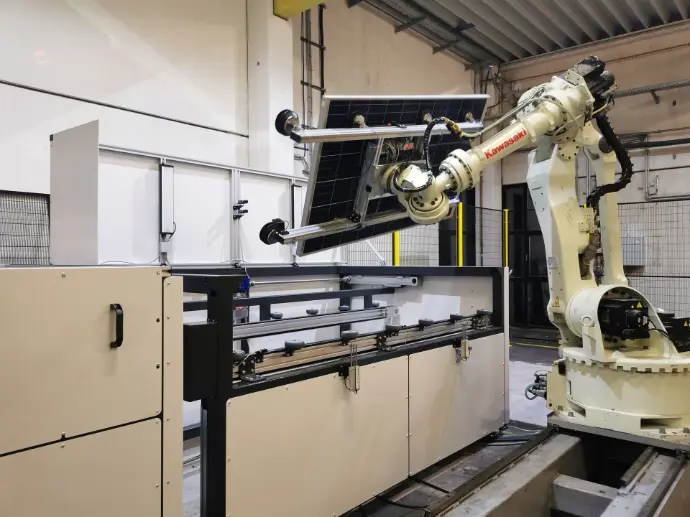
Automatische Vermessung ermöglicht Mischchargen ohne Rüsten: sichere Greif-/Förderlogik, korrekte Testadapter-Ansteuerung und weniger Stillstand.
Automatic measurement enables mixed batches without changeover: stable handling logic, correct test interfacing and less downtime.
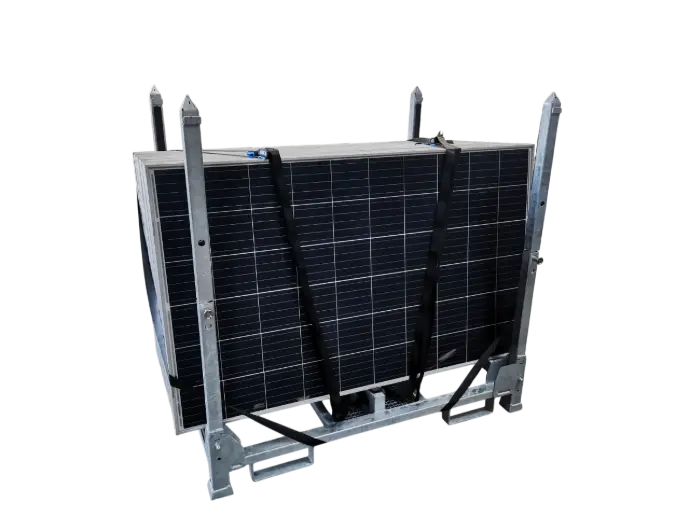
Standardisierte Mehrweg-Logistik reduziert Einzelhandling, Bruch und OPEX. Module werden prozessfähig angeliefert – ideal für hohe Stückzahlen in O&M, Repowering und Reuse-Ketten.
Standardized reusable logistics reduces manual handling, breakage and OPEX. Modules arrive “process-ready”—ideal for high volumes in O&M, repowering and reuse chains.
Die erste vollautomatische Reuse-Linie weltweit. Vom als Abfall deklarierten PV-Modul zum Produkt – geprüft und dokumentiert. The world’s first fully automated PV reuse line. Turning modules declared as waste into a qualified product—tested and documented.
Diese Übersicht zeigt, wie 2nd Cycle PV-Module vollautomatisch identifiziert, reinigt, elektrisch & optisch prüft und die Ergebnisse KI-gestützt auswertet. This overview shows how 2nd Cycle automatically identifies, cleans, electrically & visually tests PV modules and evaluates results using AI.
Der Output ist nicht nur „funktioniert / funktioniert nicht“, sondern ein belastbares Prüfprotokoll inkl. Leistungsabschätzung und Restlebensdauer-Indikatoren – als Entscheidungsbasis für den zweiten Lebenszyklus. The output is not just “pass/fail”, but a robust test report including performance estimation and remaining-lifetime indicators—the basis for a second life decision.
- Prozess: Logistik (SolarBox) → Identifikation → Reinigung → PV-Modulprüfung → Reuse- oder Recycling-Entscheidung Process: Logistics (SolarBox) → Identification → Cleaning → PV module testing → Reuse or recycling decision
- Output: Modul als Produkt inkl. digitalem Prüfprotokoll oder nachgewiesen defektes Modul inkl. relevanter Infos für den Recyclingpfad Output: Module as a product incl. digital test report or proven defective module incl. key information for the recycling route
- Skalierung: hoher Durchsatz bei minimalem Personalaufwand (Zero-Touch-Ansatz) Scaling: high throughput with minimal labor (zero-touch approach)
Hover/Klick auf die Punkte, um Details zu jeder Station zu sehen. Hover/click the hotspots to see details per station.
Jedes Modul erhält eine eindeutige ID. Alle Messwerte, Bilder und Entscheidungen sind damit rückverfolgbar – wichtig für Reuse-Vermarktung, Audits und Reklamationsfälle.
Each module gets a unique identity. All measurements, images and decisions become traceable—important for resale, audits and warranty/claim cases.
Die Dunkelkennlinie liefert tiefe Einblicke in Serien-/Shunt-Verhalten und Degradationsmuster – ohne Lichteinfluss. Ideal, um versteckte Defekte und Alterung zu erkennen.
Dark IV reveals series/shunt behavior and degradation patterns without illumination—ideal for spotting hidden defects and aging signatures.
Ein kurzer Lichtblitz simuliert STC. Ergebnis: Leistung, Strom-/Spannungskennwerte und Vergleich zur Typenschildangabe – als Basis für Sorting & Pricing.
A short light pulse simulates STC. Output: power, current/voltage parameters and comparison vs. nameplate—basis for sorting & pricing.
Defekte Bypassdioden erhöhen Hot-Spot-Risiko und können Strings beeinträchtigen. Der Test schafft Klarheit über Funktion, Verhalten und mögliche Ausfallbilder.
Failed bypass diodes increase hotspot risk and can degrade string performance. This test verifies function and typical failure modes.
Kamera- und KI-basierte Inspektion für Glasbruch, Zellverfärbungen, Delamination, Rahmen-/Ecken-Schäden, Backsheet-Risse u. a. – standardisiert und dokumentiert.
Camera + AI inspection for glass breakage, discoloration, delamination, frame/corner damage, backsheet cracks, and more—standardized and documented.
EL macht elektrische Inhomogenitäten sichtbar (Mikrorisse, Finger-Unterbrechungen, inaktive Bereiche). Ein zentraler Baustein für Zustandsbewertung und Restlebensdauer-Indikatoren.
EL visualizes electrical inhomogeneity (microcracks, finger interruptions, inactive areas). Key input for condition grading and remaining-lifetime indicators.
UV-Aufnahmen zeigen Alterung/Verfärbung und Hinweise auf Feuchte-/Delaminationspfade. Besonders hilfreich in Kombination mit EL und elektrischen Messungen.
UV imaging highlights aging/discoloration and potential moisture/delamination pathways—especially powerful combined with EL and electrical tests.
Spektrometrie unterstützt die BOM-Bewertung (Materialfamilien, Risikoklassen) – wichtig, weil „Alter“ allein wenig aussagt. Das verbessert Prognosen und Sorting-Logik.
Spectrometry supports BOM assessment (material families, risk classes)—important because “age” alone is not enough. Improves predictions and sorting logic.
Bürsten/Düsen und Prozesslogik entfernen Schmutz, Biofilm und Ablagerungen für zuverlässige Messungen. Ziel: stabile Qualität bei hohem Durchsatz – ohne manuelles Schrubben.
Brush/nozzle cleaning and process logic remove dirt, biofilm and deposits for reliable testing. Goal: stable quality at high throughput—without manual scrubbing.
Hochspannungs-/Isolationsprüfung (auch in Kombination mit Feuchte/Wasser) stellt sicher, dass ein Modul elektrisch sicher ist – entscheidend für Reuse, Haftung und Risikominimierung.
High-voltage insulation testing (optionally with moisture/water) verifies electrical safety—critical for reuse, liability and risk reduction.
OCR/KI liest Typenschilder auch bei Verschmutzung oder Alterung. Daten dienen für Plausibilitätschecks, Dokumentation, Sortierung und Rückverfolgbarkeit.
OCR/AI reads nameplates even when aged or dirty. Data is used for plausibility checks, documentation, sorting and traceability.
Automatische Vermessung ermöglicht Mischchargen ohne Rüsten: sichere Greif-/Förderlogik, korrekte Testadapter-Ansteuerung und weniger Stillstand.
Automatic measurement enables mixed batches without changeover: stable handling logic, correct test interfacing and less downtime.
Standardisierte Mehrweg-Logistik reduziert Einzelhandling, Bruch und OPEX. Module werden prozessfähig angeliefert – ideal für hohe Stückzahlen in O&M, Repowering und Reuse-Ketten.
Standardized reusable logistics reduces manual handling, breakage and OPEX. Modules arrive “process-ready”—ideal for high volumes in O&M, repowering and reuse chains.
All process steps in detail
📦
SolarBox & Logistics System – Securely Packed, Intelligently Transported
Secure transport is the foundation for every quality control, reuse, and high-quality recycling process:
Our specially designed reusable transport box protects PV modules on their way to the facility – compatible with robotic handling, stackable, and reusable. The first box specifically developed for 2nd life applications.
📐
Module Measurement – Length, Width, Position
There are almost as many PV module types as grains of sand – we automatically capture all relevant features:
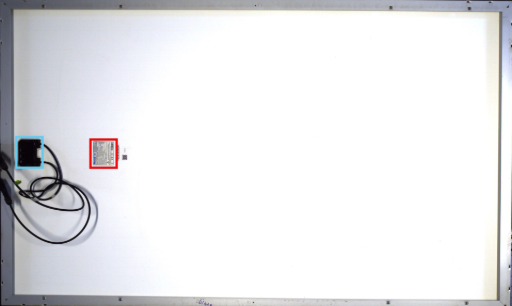
Using advanced 2D image recognition, we precisely measure the external dimensions, cell layout, position of the junction box and nameplate – and much more. This ensures smooth system operation and a perfect fit for reuse.
📷
Nameplate Recognition – Automatically Identified
Origin of the Module – What’s It Capable Of?
Our AI automatically reads nameplates – even when they are faded, dirty, or incomplete. This saves time and provides crucial parameters for test process control.
💦
Automatic Cleaning – Clean Testing Leads to Better Ratings
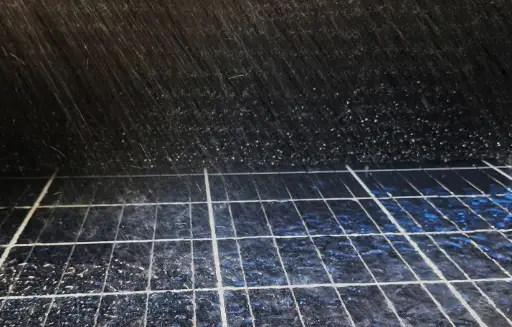
Dust, dirt, and deposits distort measurement results – that’s why we begin with a professional cleaning.
Brushes, nozzles, and an intelligent water circulation system ensure uniform and gentle cleaning of every PV module – automated, efficient, and reproducible.
👁️
Visual Inspection – First Impressions Matter
Sometimes, the simplest solutions provide the fastest help:
We capture the module visually and with AI support to detect cracks, fractures, burn marks, delamination, or corrosion – from the frame edge to the busbar. All under defined lighting conditions and with digital precision.
🌑
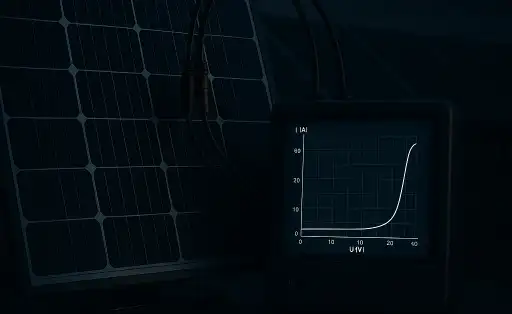
Dark I-V Curve – Current Characteristic Without Light
Even in the dark, the module reveals its true performance:
We measure the current-voltage (I-V) characteristic without illumination. This reveals internal resistances, cell condition, and potential defects—especially valuable for assessing heavily degraded modules.
🔍
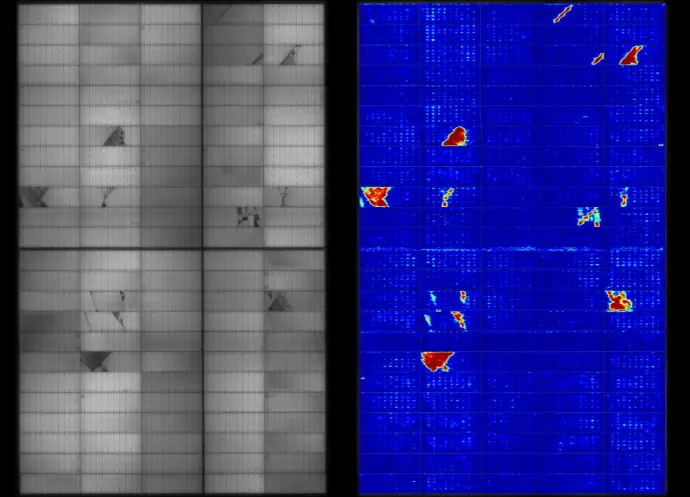
Electroluminescence – Making the Invisible Visible
What the Eye Cannot See, the Current Reveals:
By applying a targeted voltage, the PV module begins to “glow” in the infrared spectrum. This allows us to detect fine microcracks, cell fractures, and inactive areas—before they become a problem.
⚡
Insulation Test – Safety Under High Voltage
We send voltage exactly where it’s not supposed to go:
We test the insulation between current-carrying components and the module frame, ensuring that the module poses no electrical hazards—neither to people nor to inverters.
💡
UV Fluorescence – Aging Under Black Light
When the PV module fluoresces under UV light, it tells its story:
The fluorescent EVA encapsulant reveals aging and microstructures hidden to the naked eye. This provides valuable insight into cell health, especially in older modules.
🔆
Flash Test – Sunlight in Milliseconds
A bright flash—and we instantly know what your PV module is made of.
Using an artificial light source, we simulate the sun in a fraction of a second and derive the I-V curve as well as the Maximum Power Point (MPP)—the core of every performance assessment.
🧪
Spectrometry – Material Analysis Using Light
What’s inside the backsheet? And in which layer?
Using near-infrared spectrometry, we examine the materials without causing any damage. The result: clear insights into plastic types, properties, and recyclability.
🔧
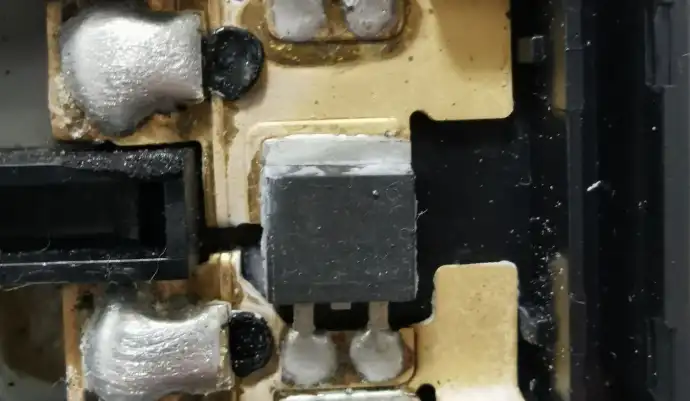
Bypass Diode Test – Evaluation of the Protection Mechanism
Bypass Diode Test – Evaluating the Protection Mechanism
We check whether they switch correctly and analyze the curve for typical signs of defects. Safety before things heat up.
🧭
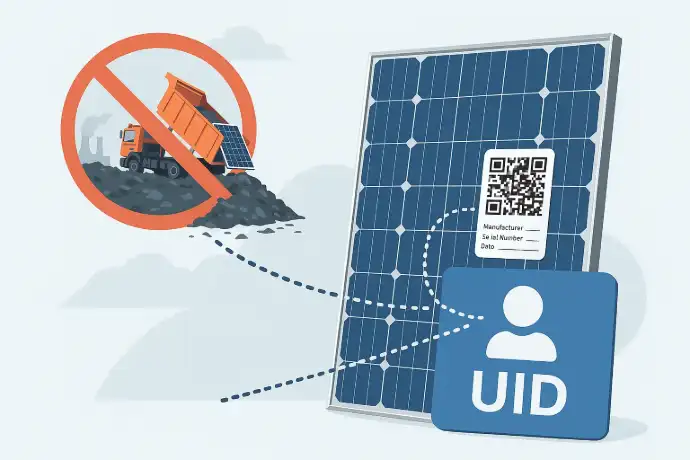
QR Code & UID – The Digital Identity of Every Module
Each module receives a unique identifier—its digital DNA.
By scanning, we link all test results, images, and master data to the UID. This ensures the PV module is traceable at all times—transparent, secure, and reusable.